Precision Agriculture: How AI and Drones Are Feeding the Future
From satellite-guided planting to AI-powered pest detection, precision agriculture technologies are transforming global food production.
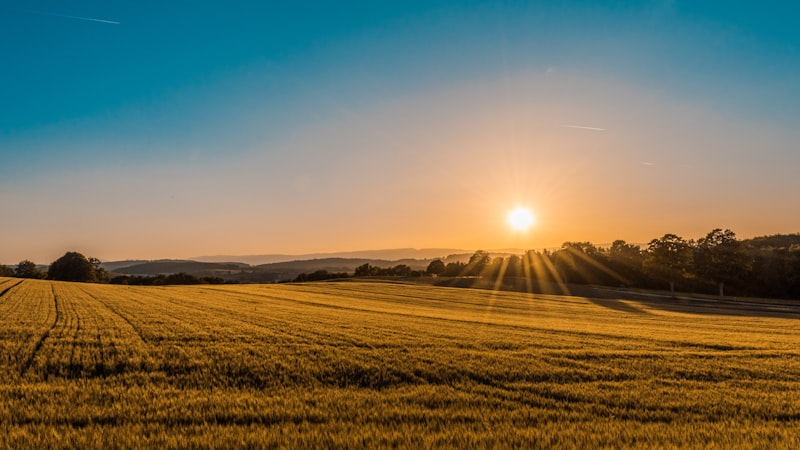
The global agricultural sector faces a dual challenge: feeding a projected 9.7 billion people by 2050 while contending with climate volatility, water scarcity, and degraded soils. Precision agriculture — the application of data science, IoT sensors, drones, and AI to farm management — is emerging as the most promising response.
Companies like John Deere, Trimble, and AgLeader are embedding machine learning into planting, irrigation, and harvesting equipment. Drone startups such as PrecisionHawk and Skydio are enabling crop health monitoring at scale, detecting nitrogen deficiencies, fungal infections, and pest pressure weeks before visible symptoms appear. Satellite imagery from Planet Labs and Maxar provides daily field-level data to agronomists managing thousands of acres remotely.
The economic case is compelling: precision nitrogen management alone can reduce fertilizer costs by 15–25% while improving yield by 5–10%. As connectivity expands into rural areas via low-earth-orbit satellites, these tools are becoming accessible to smallholder farmers across sub-Saharan Africa and Southeast Asia — the regions where productivity gains matter most.
Tags
Team Suggestions
No suggestions yet. Be the first to suggest an improvement!
Related Articles
Regenerative Agriculture: Building Soil Health for Long-Term Productivity
Regenerative practices like cover cropping, no-till, and composting are restoring degraded farmland and sequestering carbon.
Comments
Sign in to join the conversation.
No comments yet. Be the first to share your thoughts!